
Article body
Full article
A new generation of Agentic BI from HENGSHI Technology.
In 2026, the underlying logic of AI R&D has been fully reconstructed. AI is no longer only an efficiency assistant. It is becoming a new kind of in-role digital employee that enters the organizational structure, takes on fixed job responsibilities, and supports long-term organizational evolution.
Early AI competition in the industry focused on code-generation speed and one-off task efficiency. But the core pain point for scaled R&D teams is no longer slow coding. It is that AI cannot integrate into organizational workflows, cannot take over standardized job work, cannot preserve organization-specific capabilities, and still requires humans to supervise, teach, and rescue it throughout the process.
1. JARVIS Reconstructs the Logic of AI R&D
Most mainstream AI coding tools and memory products focus on conversation-memory optimization, document-material preservation, and context retrieval or reuse. They solve foundational problems such as model forgetfulness and material loss. They remain tool-level capability iterations and do not touch the core operating logic of R&D organizations.
Equating knowledge memory and material preservation with the destination of AI R&D transformation is a common misconception. The real end state of R&D intelligence and organizational digitalization is not the quantity of materials. It is giving the system job-fulfillment capability so it can steadily, consistently, and sustainably take over routine organizational work, replace manual process closure, enforce standards, and iterate experience.
The industry is building AI material memory. Jarvis is implementing an enterprise-specific R&D digital employee. This is the essential difference between HENGSHI JARVIS and general-purpose AI or generic memory foundations.
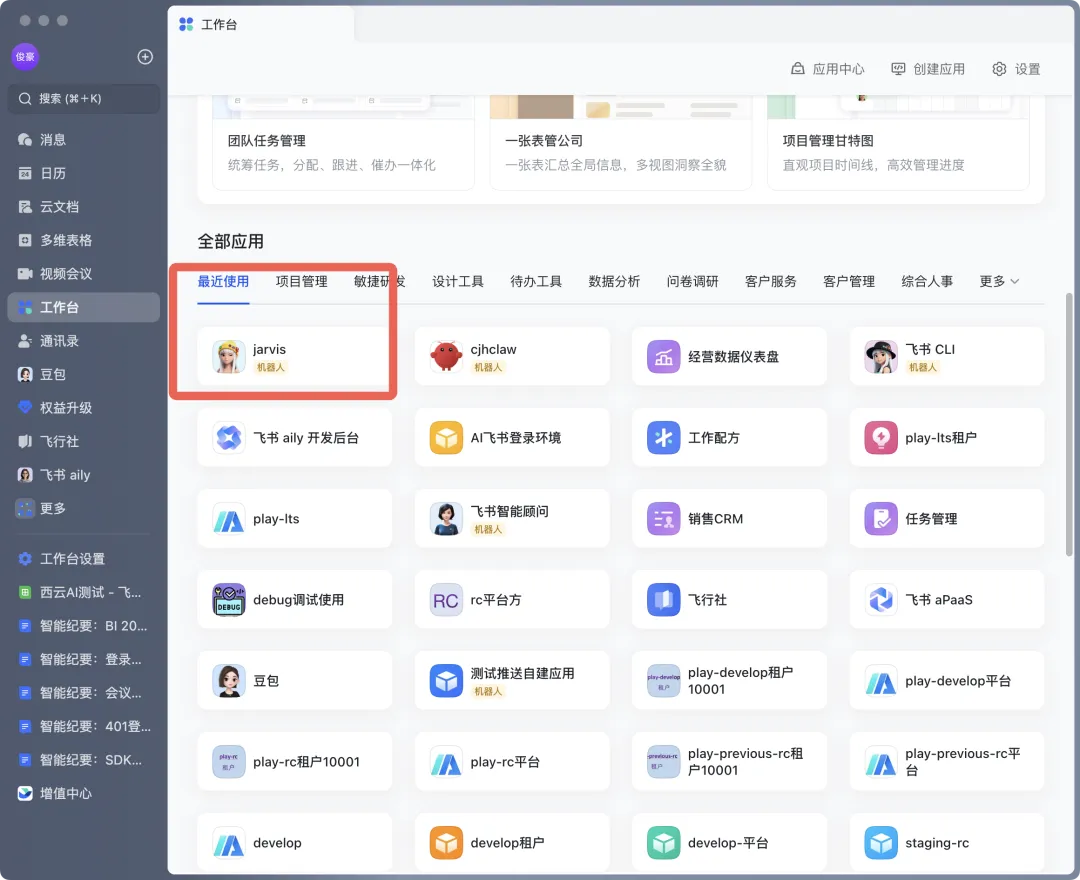
Jarvis is not a plugin, temporary assistant, or lightweight tool. It is a standing organizational digital employee deeply embedded in the full enterprise R&D chain, bound to private process rules, inheriting dedicated R&D genes, and operating with clear job responsibilities and closed-loop boundaries.
2. JARVIS Preserves Ways of Working
AI memory capabilities in the market can be divided into three layers, and those layers determine whether the product is a tool or a digital employee.
The first layer is conversation memory (such as Claude Code and Hermes). It serves only one coding session, improves personal experience, resets when the conversation ends, cannot preserve team standards, and does not change R&D workflows.
The second layer is general material memory (such as Mem0 and Mem9). It can archive and retrieve documents, bug records, and iteration experience. It solves scattered material loss, but only stores and recalls information. It does not understand business rules, enforce process standards, or close work loops by itself. In essence, it is an intelligent knowledge base.
The third layer is Jarvis organizational execution memory, which is the true core of a digital employee. Jarvis no longer stores only scattered materials. It remembers the enterprise’s task-flow rules, risk boundaries, code no-go zones, bug-fix standards, requirement-delivery processes, review mechanisms, retrospectives, and other dedicated R&D operating patterns.
Ordinary AI only remembers material content and assists passively. Jarvis remembers how the company works, actively follows team rules, completes full workflow loops autonomously, and continuously preserves and improves organizational capabilities, becoming a long-term, always-on role.
3. Why JARVIS Must Be Implemented
In 2026, the efficiency bottleneck for most R&D teams is not a lack of labor or execution. It is that large amounts of standardized, routine, repetitive job work have not been taken over by systems and still depend on human experience, verbal synchronization, and manual rescue.
Task progress relies on verbal meeting alignment instead of structured system state transitions. R&D stage updates rely on manual forms instead of automatic preservation. Test results, code merges, and release closure states often float outside the official GitLab system and remain hidden in chats, personal memory, and meeting notes.
This creates one of the most damaging organizational problems: teams repeat work, repeat mistakes, and repeat retrospectives every day, but the organization never preserves stable standardized capabilities or achieves self-evolution.
Every bug-fix failure, every process weakness exposed by iteration, and every delivery lesson only solves a single incident. It does not become a reusable team norm or system constraint, so similar problems keep recurring and the organization stays in place.
Pure tool AI can help people work, but that is also its final limitation. It cannot help the organization build capability, establish systems, or solidify workflows.
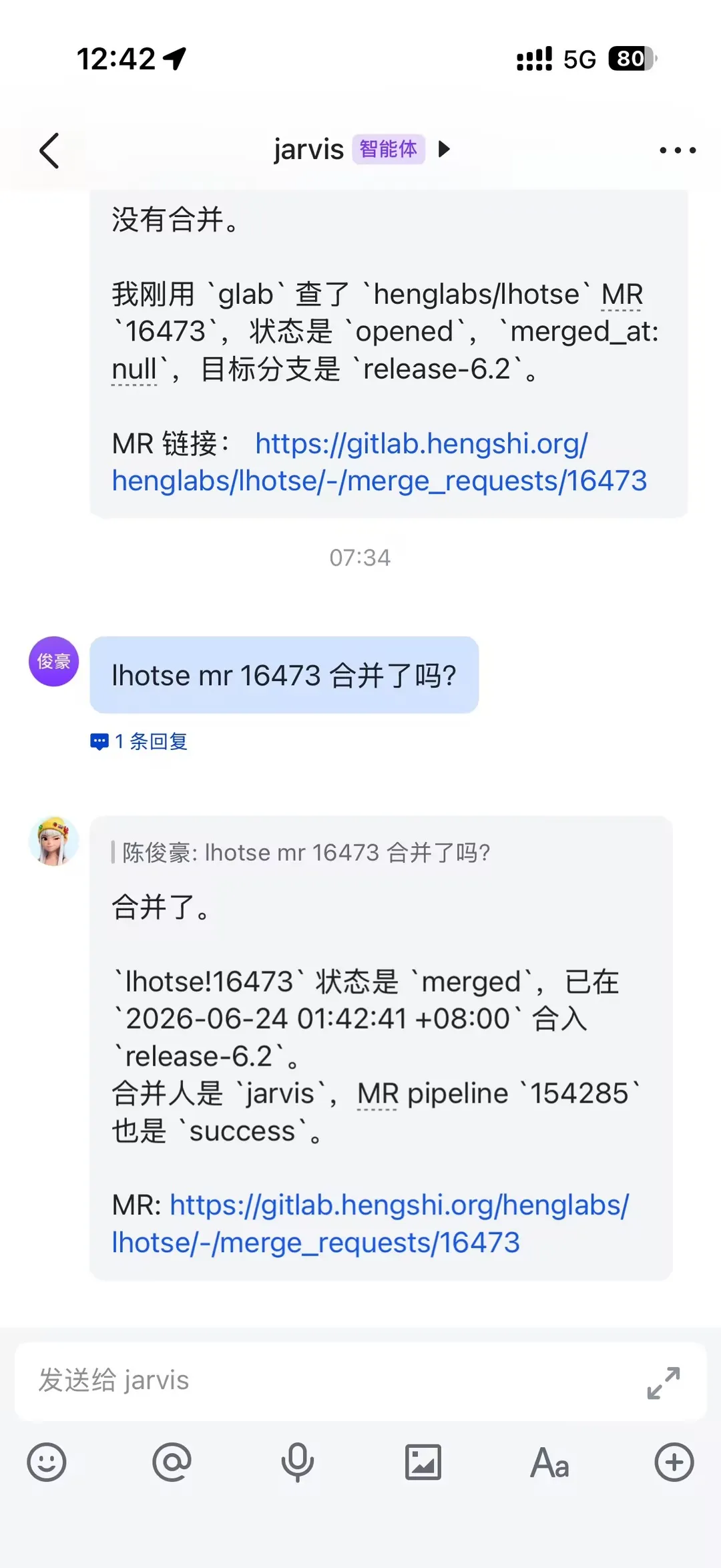
The core value of the Jarvis digital employee is taking over all strongly ruled, highly repetitive, standardizable routine job work in the R&D system. It replaces inefficient patterns such as manual rescue, experience-based operation, and meeting synchronization, turning scattered human actions into system-executable, auditable, self-healing, and iterative organizational steady-state capabilities.
4. Core Job Responsibilities of Company Jarvis
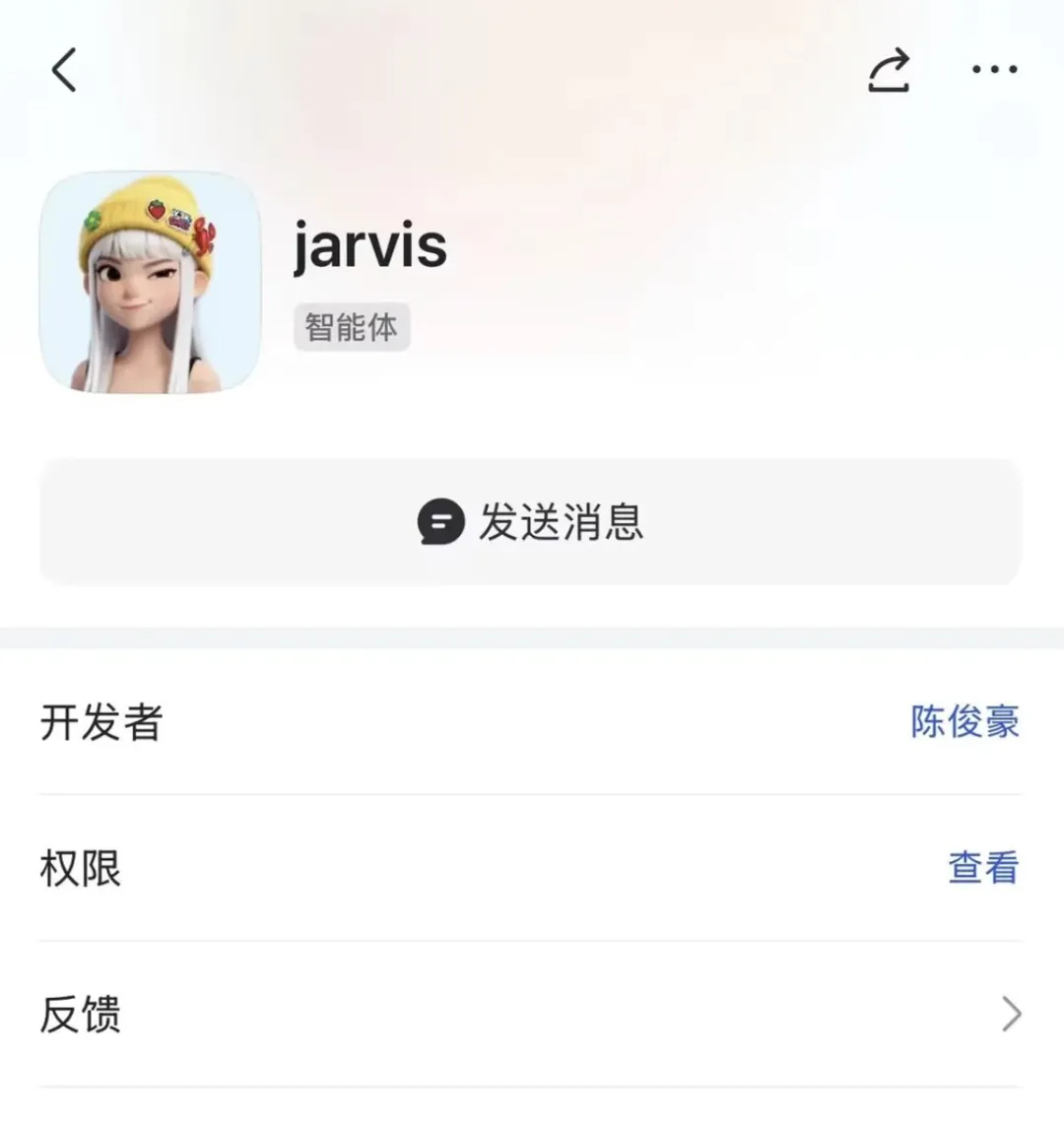
HENGSHI Technology has stepped away from tool thinking and redefined Jarvis. It is no longer an auxiliary plugin or efficiency tool. It is an official digital in-role employee for enterprise R&D organizations, with clear, fixed, and implementable job responsibilities that take over standardized routine work across the R&D team.
Enterprise-Specific R&D Process Operations
Jarvis solidifies private enterprise R&D workflows in depth, unifying task admission, process transitions, stage closure, evidence retention, human review, and automatic self-healing rules. It strictly follows the enterprise’s established system, eliminates manual arbitrariness, keeps every R&D task within the standardized workflow, and protects organizational process boundaries.
Autonomous Evolution and Fault Self-Healing
Through real business scenario training, Jarvis can independently complete the full bug workflow: localization, repair, verification, and retrospective. It does more than fix a single issue. It summarizes failure modes, root-cause patterns, and avoidance methods, and preserves them as shared team skills and system constraints. Real business failures drive system iteration and reduce recurrence.
End-to-End Delivery Fulfillment
Jarvis receives product PRDs and SPECs upstream, intelligently decomposes scope, boundaries, acceptance criteria, risks, and execution plans, and implements code development, evidence retention, compliant merge requests, and delivery closure downstream. It replaces repetitive human clarification, checking, and progress organization, standardizing fulfillment from product to R&D.
Organizational R&D Asset Custody
All delivery decisions, process constraints, risk rules, lessons learned, and retrospective conclusions are written back in layered structures and preserved as private, reusable, iterative, and inheritable enterprise R&D digital assets. This breaks the industry pain point of experience leaving with individuals and knowledge staying scattered or performative.
5. Four-Week Delivery: Onboarding a Dedicated Digital Employee
The Jarvis system is not simply deploying software or launching features. It is the complete process of onboarding, training, assigning, empowering, and independently operating a dedicated enterprise R&D digital employee, ultimately achieving routine, autonomous, and systematic job performance. A dedicated enterprise R&D digital employee can be delivered in four weeks.
Week 1: Current-State Review and Foundation Setup
Survey the enterprise R&D environment, GitLab workflow, CI validation system, and team collaboration norms. Complete full readiness checks and permission closure. Build the enterprise-specific Jarvis rule system, skill catalog, runtime manual, and self-healing playbooks so the digital employee quickly understands organizational rules, business characteristics, and R&D boundaries.
Week 2: Full Bug-Fix Workflow Practice
Select real production bugs for two practical training scenarios, covering simple basic failures and complex cross-module failures. Solidify the enterprise-specific bug-fix workflow, self-healing trigger mechanisms, retry strategy, and acceptance standards. Through live practice, the digital employee gains the core capability to independently process issues, close loops, and preserve experience.
Week 3: Complete Requirement Delivery Chain
Expand requirement parsing, risk assessment, solution decomposition, and end-to-end delivery capabilities. Run through the complete loop from product requirement to R&D merge request. Clarify human-machine collaboration boundaries, job divisions, and exception-handling mechanisms, allowing the digital employee to grow from single fault processing into mature iteration delivery.
Week 4: Rule Solidification and Final Handoff
Unify runtime rules, exception-handling mechanisms, deliverable standards, and writeback rules while adapting to the enterprise’s specific business scenarios. Complete specialized operations enablement for the customer team, establish an efficiency baseline, and define a long-term iteration roadmap. Jarvis leaves the pilot phase and becomes an autonomous, self-evolving, continuously preserving, always-on organizational capability.
6. The Ultimate Organizational Competitiveness Is Human-Machine Steady State
In the past, team growth depended on people taking one more step forward. In the future, organizational evolution depends on systems taking over routine work while humans focus on higher-level innovation.
The Agent era of R&D transformation is no longer simple AI tool adoption. It is a reconstruction of organizational job structures, operating processes, and evolution logic.
AI memory is only a foundational technical capability. Routine job fulfillment by digital employees is the real end state of R&D intelligence.
HENGSHI JARVIS can land a dedicated enterprise R&D digital employee in four weeks, helping R&D teams move from manual drive into a new steady state of human-machine collaboration, organizational autonomy, and continuous evolution.